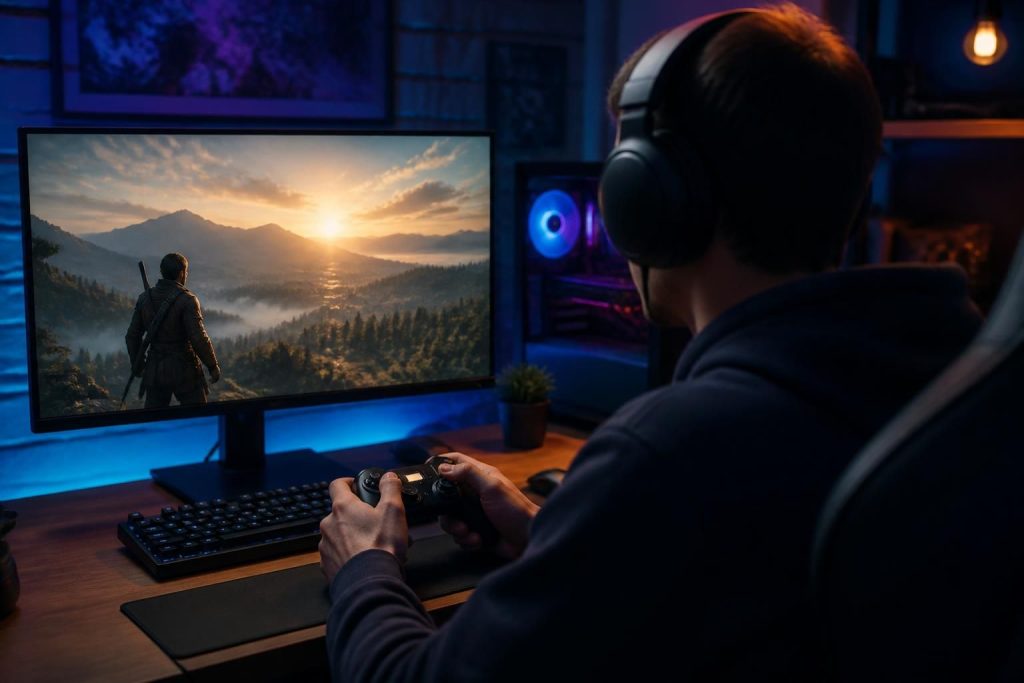
Game soundtracks and music play a vital role in shaping player experiences, significantly influencing emotions, narratives, and overall engagement within the gaming world. As video games continue to evolve, so too does the complexity and craft of their soundtracks, transforming them into an integral component of the gameplay itself. The right music can enhance moments of tension, underscore emotional story arcs, or create a sense of nostalgia, making it essential for developers to carefully consider the musical elements of their games.
How Music Enhances Immersion in Video Games
One of the primary functions of game soundtracks and music is to create a strong sense of immersion. Immersive audio can transport players into the game world, allowing them to experience environments more fully. This is particularly evident in open-world games like The Elder Scrolls V: Skyrim or The Legend of Zelda: Breath of the Wild, where expansive landscapes are accompanied by dynamic soundtracks that react to players’ actions and surroundings. The music not only complements the visual elements but also enhances the emotional weight of gameplay, drawing players deeper into the narrative.
For instance, in
The Role of Adaptive Soundtracks in Gameplay
Adaptive soundtracks represent a notable innovation in game sound design, allowing music to change in real-time based on player actions. This technique deepens engagement by ensuring that the auditory experience is closely aligned with gameplay dynamics, enhancing both excitement and tension. Games like
The effectiveness of adaptive soundtracks lies in their ability to mirror the player’s emotional journey. In action sequences, the tempo might increase, while serene moments could be accompanied by softer melodies. This fluidity helps to maintain player interest and reinforces the emotional narrative, making each gaming session feel unique and responsive to individual play styles.
Soundtrack Composition: A Collaborative Effort
Creating an impactful game soundtrack often involves collaboration between composers, sound designers, and developers. Renowned composers such as Hans Zimmer and Nobuo Uematsu bring their unique styles to gaming, demonstrating how a well-crafted score can elevate a game’s appeal. Zimmer’s work on
Moreover, the collaboration in sound design doesn’t just include the musical score but also extends to the integration of sound effects. The combination of music with well-timed sound effects in a game like
Emotional Connections and Nostalgia Through Game Music
Game soundtracks and music also play a significant role in fostering emotional connections and eliciting nostalgia from players. Iconic scores, such as the themes from
Furthermore, the emotional resonance of music can enhance storytelling in games. In indie titles like
The Future of Game Soundtracks and Music Technology
As technology advances, the future of game soundtracks and music appears promising, with innovations such as artificial intelligence and algorithmic composition on the horizon. These developments may enable dynamic soundtracks that evolve not just in response to player actions, but also adapt based on learning algorithms that analyze player preferences. This could lead to highly personalized sound experiences that cater to individual player backgrounds and tastes.
Moreover, the increasing use of spatial audio technologies, such as Dolby Atmos, is set to redefine how music is integrated into games. These technologies allow for more immersive soundscapes, where players can perceive sounds surrounding them in a three-dimensional space, further enhancing the emotional and immersive qualities of game soundtracks.
Conclusion: The Lasting Impact of Game Soundtracks and Music
Game soundtracks and music are more than mere background noise; they are a powerful tool that shapes player experiences, enhances immersion, and fosters emotional connections. As the gaming industry continues to innovate, the role of music will only grow in significance, shaping how stories are told and experienced within virtual worlds. Whether through adaptive soundtracks, collaborative compositions, or cutting-edge technology, the future of game soundtracks promises to be as dynamic and engaging as the games themselves. With this evolving landscape, players can look forward to even more profound and memorable audio experiences in their gaming journeys.